




Rosemary extract and sage oil are often confused due to their botanical kinship and overlapping bioactivities, but they are distinct natural products with unique compositions, safety profiles, and applications. Their core relationship is: same family (Lamiaceae), shared minor components, but fundamentally different in source, chemistry, and use cases. This article clarifies their connections and differences, with citations from authoritative global bodies including FAO/WHO JECFA, EFSA, EMA, ISO, and FDA.
I. Botanical & Chemical Connections
Both substances derive from plants in the Lamiaceae (mint) family:
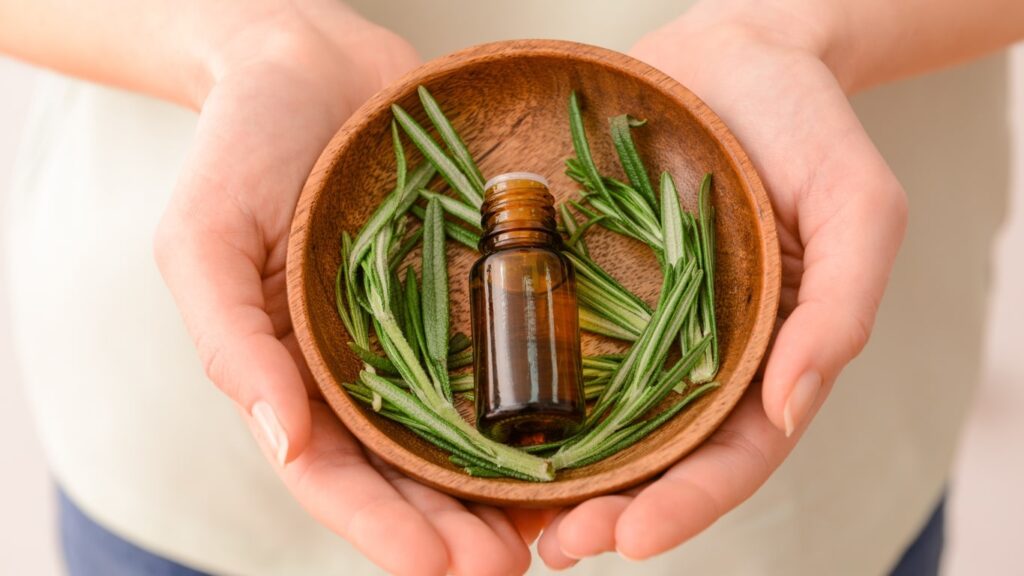
- Rosemary extract: From Salvia rosmarinus (formerly Rosmarinus officinalis) leaves
- Sage oil: From Salvia officinalis (common sage) leaves/buds
They share a small set of bioactive compounds, including rosmarinic acid and trace amounts of carnosol, which contribute to mild antioxidant and antimicrobial effects in both. Historically, both have been used for preservation and traditional medicine across Mediterranean cultures.
II. Key Differences (Source, Chemistry, Safety, Use)
1. Source & Extraction
| Parameter | Rosemary Extract | Sage Oil |
| Plant Part | Dried leaves (whole/ground) | Fresh/dried leaves + flower buds |
| Extraction | Solvent (ethanol, supercritical CO₂), water/ethanol; yields non-volatile phenolic-rich powder/liquid | Steam distillation; yields volatile essential oil |
| Form | Powder, liquid extract (oil/water-soluble) | Pale yellow-green liquid, volatile |
2. Core Chemical Composition
Rosemary Extract (non-volatile focus):
- Dominant: Carnosic acid, carnosol (90%+ of antioxidant activity)
- Also: Rosmarinic acid, ursolic acid, flavonoids
- Low volatility; heat-stable
Sage Oil (volatile focus):
- Dominant: α‑thujone, β‑thujone (signature components), 1,8‑cineole, camphor
- Also: Borneol, linalool, trace phenolics
- High volatility; aroma-driven
3. Safety & Regulatory Status (Authoritative Sources)
Rosemary Extract
- FAO/WHO JECFA: ADI = 0–0.6 mg/kg bw/day (carnosic acid + carnosol)
- EU: Authorized food additive E 392; EFSA confirms safety at approved levels
- FDA: GRAS (Generally Recognized As Safe) for food use
- CIR: Safe for cosmetics at typical concentrations
Sage Oil
- EMA: High thujone content poses neurotoxic risk (seizures at high doses); not recommended as single-ingredient product
- EU: Restricted to max 6 mg thujone/person/day (≤2 weeks) for oral use
- ISO: Standardized (ISO 9909) for quality but with strict safety caveats
- FDA: Approved for flavoring but with concentration limits due to thujone
4. Functional & Application Focus
Rosemary Extract
- Primary role: Powerful, heat-stable natural antioxidant (far stronger than sage oil)
- 食品: Preserve fats, meats, baked goods; prevent rancidity (E 392)
- Cosmetics: Anti‑aging, skin soothing, free‑radical scavenging
- Pharma/Feed: Anti‑inflammatory, hepatoprotective, animal feed antioxidant
Sage Oil
- Primary role: Aromatic, antimicrobial, insect‑repellent; mild antioxidant
- Fragrance: Perfumes, soaps, air care (camphoraceous‑herbal note)
- Topical: Skin soothing, oil control (diluted only)
- Aromatherapy: Relaxation, mental clarity; never undiluted oral use
Oral: Only in very low, thujone‑controlled preparations (e.g., digestive teas)
III. Proxima Summary
Rosemary extract and sage oil are related but not interchangeable:
- Shared: Lamiaceae family, minor phenolic overlap, mild antimicrobial activity
- Different: Extraction method, dominant chemistry (non‑volatile phenolics vs. volatile thujone-rich oil), safety profiles, and core functions
Choose rosemary extract when you need strong, heat‑stable antioxidant protection (food preservation, anti‑aging cosmetics).
Choose sage oil for aroma, topical soothing, or insect repellency—always with strict attention to thujone limits and dilution.
- FAO/WHO JECFA Rosemary Extract Monograph (E 392, ADI 0–0.6 mg/kg): https://www.fao.org/3/cb0739en/cb0739en.pdf
- WHO JECFA Database (Rosemary Extract Safety): https://apps.who.int/food-additives-contaminants-jecfa-database/Home/Chemical/6311
- EFSA Safety Evaluation of Rosemary Extract (E 392): https://www.efsa.europa.eu/hr/efsajournal/pub/5373
- EMA Public Statement on Sage Oil (Thujone Safety): https://www.ema.europa.eu/documents/public-statement/public-statement-salvia-officinalis-l-aetheroleum_en.pdf
- ISO 9909:1997 (Dalmatian Sage Oil Standard): https://www.iso.org/obp/ui/#!iso:std:17791:en
- PMC Review: Antioxidant Properties of Rosemary & Sage: https://pmc.ncbi.nlm.nih.gov/articles/PMC6165352/
- CIR Cosmetic Safety Assessment (Rosemary Extract): https://www.cir-safety.org/sites/default/files/rosmar062014FR.pdf