








The Dilemma of Renal Fibrosis
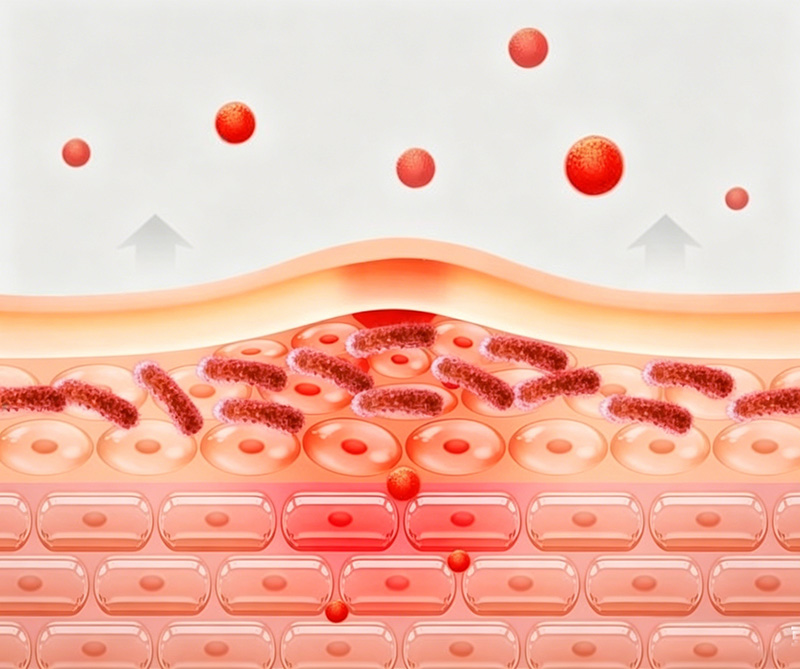
Renal fibrosis, the core pathological driver of CKD progression, was once misunderstood as simple scarring. Modern studies reveal it stems from immune system imbalance: overactivated Th17 cells release excessive IL-17A triggering chronic inflammation, while insufficient Treg cells fail to suppress inflammatory responses. This Th17/Treg imbalance accelerates renal tissue scarring and functional decline, with no targeted clinical drugs available to correct this disorder.

Asiaticoside Directly Targets and Destabilizes STAT3

Mechanistic Validation: Lock-Instability Degradation Pathway
- DARTS + LC-MS/MS detection captured the direct binding of asiaticoside to the SH2 domain of STAT3, protecting the protein from enzymatic cleavage.
- Pharmacological intervention assays showed that STAT3 inhibitor Stattic replicated the anti-fibrotic effects of asiaticoside, while STAT3 agonist Colivelin exacerbated renal fibrosis — an effect partially reversed by asiaticoside.
Precise Immune Regulation Without Side Effects
- Reduced Th17 cell ratio and IL-17A expression
- Elevated Treg cell proportion and IL-10 secretion
- Restored Th17/Treg balance from 10.04% to 3.66%
- No alteration in total CD4+ T cell counts, avoiding non-specific immune suppression

Developmental Potential and Future Perspectives
- Validation in chronic nephropathy models beyond the UUO acute injury model
- Pharmacokinetic profiling of absorption, distribution, metabolism and excretion
- Elucidation of the exact intracellular degradation pathway

Proxima opinion
Asiaticoside represents a paradigm shift in anti-fibrotic therapy, acting as a natural “structural disassembly agent” to selectively degrade STAT3 and restore immune homeostasis. This discovery bridges traditional Chinese medicine and modern pharmacology, providing a safe, targeted candidate for chronic kidney disease intervention and inspiring a new generation of protein-targeted drug development.