











Vitamin B12, an essential water-soluble vitamin for the human body, plays an irreplaceable role in red blood cell formation, nervous system maintenance, and DNA synthesis. Deficiency of this vitamin can lead to a series of health issues such as fatigue, nerve damage, and cognitive decline. Therefore, supplements have become a popular nutritional choice for many people. Methylcobalamin and cyanocobalamin are the two most mainstream forms of vitamin B12 in supplements. Although both belong to the cobalamin family, they differ significantly in sources, metabolic mechanisms, and bioavailability. Understanding these differences is crucial for scientific nutrient supplementation.
Synthetic vs. Natural
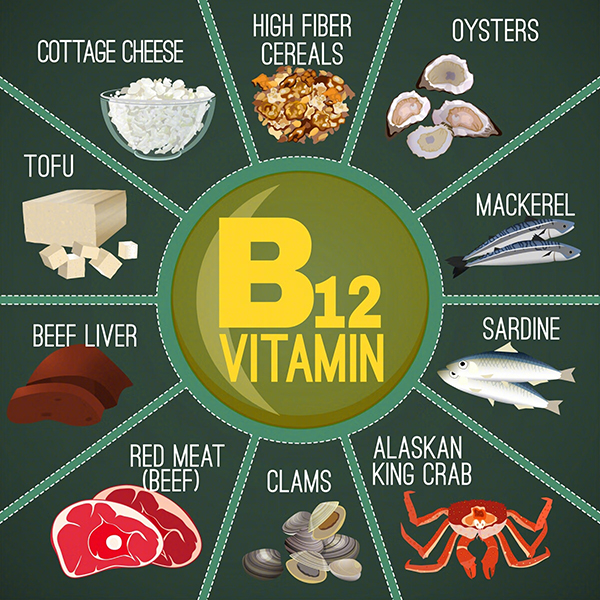
In terms of origin and molecular structure, the fundamental distinction lies in their classification as “natural” or “synthetic.” Cyanocobalamin is a synthetic form of vitamin B12 that does not exist naturally in nature. Its molecular structure features a cobalt ion at the core, linked to a cyanide group. Thanks to its high stability and low production cost, cyanocobalamin has become the most common ingredient in commercial supplements, facilitating large-scale production and long-term storage. In contrast, methylcobalamin is a naturally occurring form of vitamin B12, with a methyl group attached to the cobalt ion. It can be obtained not only through supplements but also from natural foods such as fish, meat, eggs, and dairy products, making it more aligned with the body’s natural nutritional absorption needs.
May be absorbed and retained differently
Regarding absorption and retention efficiency in the human body, the two forms exhibit “relative advantages and disadvantages.” Some research data indicates that cyanocobalamin has a slight edge in absorption rate: in one experiment, the human body absorbed approximately 49% of a 1-mcg dose of cyanocobalamin, compared to 44% for the same dose of methylcobalamin. However, in terms of retention capacity, methylcobalamin is superior—another study found that the amount of cyanocobalamin excreted through urine was three times that of methylcobalamin, meaning methylcobalamin can be stored in the body for a longer period, providing sustained active support. Nevertheless, other studies suggest that the difference in bioavailability between the two is actually insignificant, and individual factors such as age, genetic background, and digestive function may have a greater impact on absorption. Currently, more targeted research is needed to validate relevant conclusions.
Both methylcobalamin and cyanocobalamin can be converted to other forms of vitamin B12
In terms of metabolic conversion and health benefits, both forms ultimately provide the body with active vitamin B12, but their conversion pathways differ. Upon entering the body, cyanocobalamin must first undergo metabolic reduction to remove the cyanide group, converting into methylcobalamin or adenosylcobalamin (another key active form) before it can exert its effects. Adenosylcobalamin is involved in fat and amino acid metabolism as well as myelin synthesis, and myelin acts as a “protective sheath” for nerve cells, which is vital for nervous system health. Methylcobalamin is itself an active form and can directly participate in physiological reactions without additional conversion steps. In terms of efficacy, both are effective in preventing and treating vitamin B12 deficiency: individuals with deficiency who took methylcobalamin saw their blood B12 levels return to normal within 2 months, while cyanocobalamin also increased vitamin B12 concentrations in patients with pernicious anemia within 3 months. Additionally, both have been shown to have neuroprotective effects, relieving symptoms of diabetic neuropathy and providing positive support for the auxiliary treatment of nervous system-related diseases.
Both forms have health benefits
When choosing a supplement, rational decision-making should be based on individual needs. For healthy individuals seeking daily nutritional supplementation to fill gaps, cyanocobalamin is a cost-effective option, as its stable nature and good absorption efficiency can meet basic requirements. For people with weak digestive function or poor metabolic capacity (such as the elderly and those with gastrointestinal diseases), methylcobalamin is more advantageous—its natural properties and no-need-for-conversion feature can reduce the body’s metabolic burden. If there is a confirmed vitamin B12 deficiency, doctors may recommend combining methylcobalamin with adenosylcobalamin for optimal therapeutic results.
It is important to emphasize that regardless of the form chosen, supplements cannot replace a balanced diet. Maintaining intake of natural foods combined with a suitable supplement can more comprehensively meet the body’s vitamin B12 needs. If vitamin deficiency is suspected, it is advisable to consult a doctor for testing first to avoid blind supplementation, ensuring the scientificity and safety of nutritional intake.